Barcode Guide: UPC, GTIN and GS1 Barcodes Explained
These barcode guides explain how barcodes work and the numbers and standards behind them: what a barcode is, the types and how they compare, UPC and GTIN numbers, country codes, GS1 barcodes and Application Identifiers. Each guide has diagrams drawn from real barcodes and a tool to try what it explains.
- Basics11 guides
- Product numbers10 guides
- GS1 standards3 guides
24 guides
No guide matches that search. Try a topic, such as UPC, GTIN or GS1.
Barcode Basics and Comparisons
These guides explain what a barcode is, how it is read and which type to use, and compare the barcodes people most often confuse.
How Barcodes Work
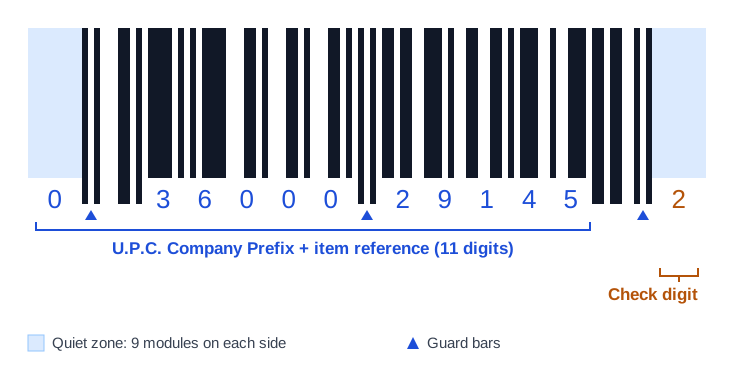 GuideWhat is a barcode?What a barcode is, what it holds, its parts and its uses.
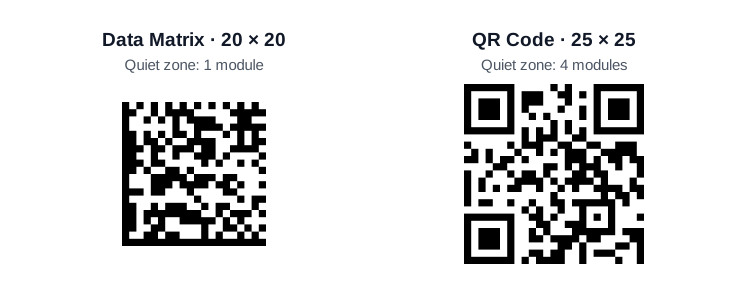 GuideHow do barcodes work?How bars and modules hold data and how scanners read them.
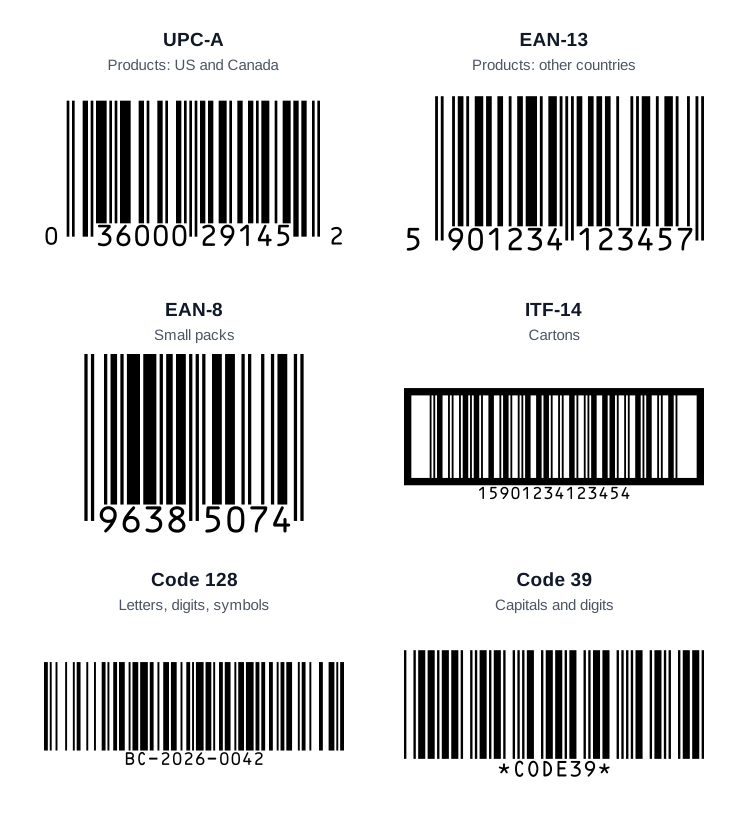 GuideTypes of barcodesEvery 1D and 2D type, what it holds and how to identify it.
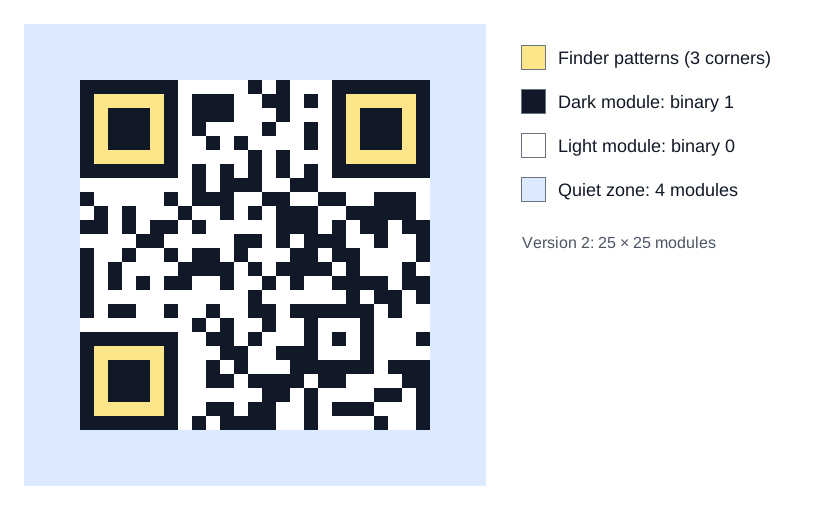 GuideWhat is a QR code?How QR codes work, what they hold and how to scan one.
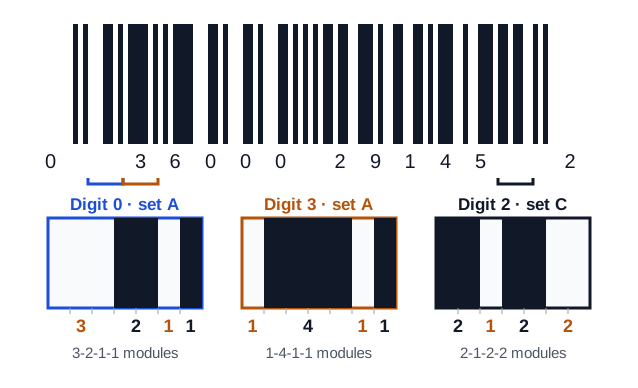 GuideHow to read a barcodeWhat the digits mean, the check digit by hand and the bars by eye.
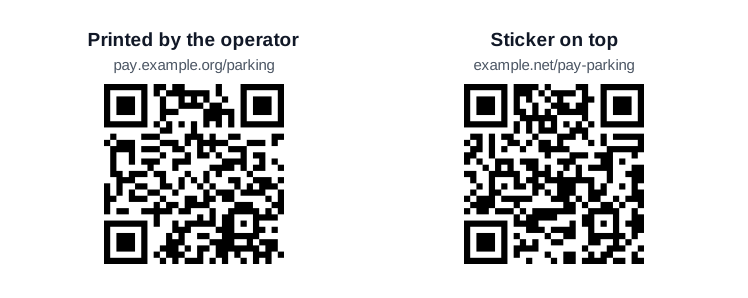 GuideWhat is quishing?QR code phishing in emails and on stickers, and how to avoid it.
Barcode Comparisons
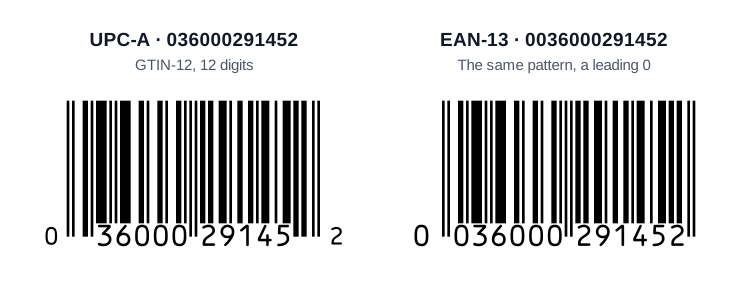 GuideEAN vs UPCUPC-A and EAN-13 compared, and how to convert one to the other.
- GuideData Matrix vs QR codeSize, capacity and error correction of the two 2D codes.
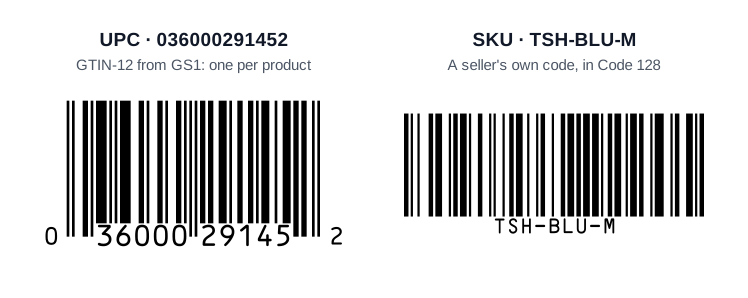 GuideSKU vs UPCA seller's own stock code compared with the GS1 product number.
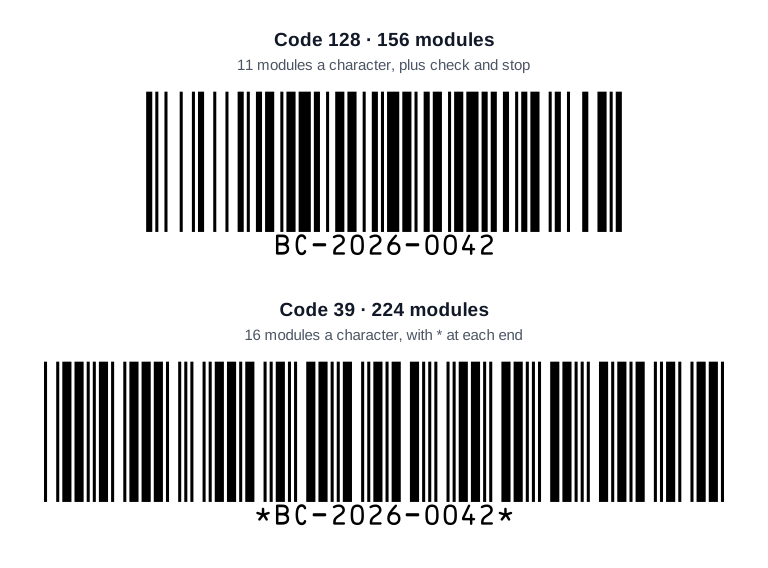 GuideCode 128 vs Code 39The two label barcodes compared, with their widths at one bar size.
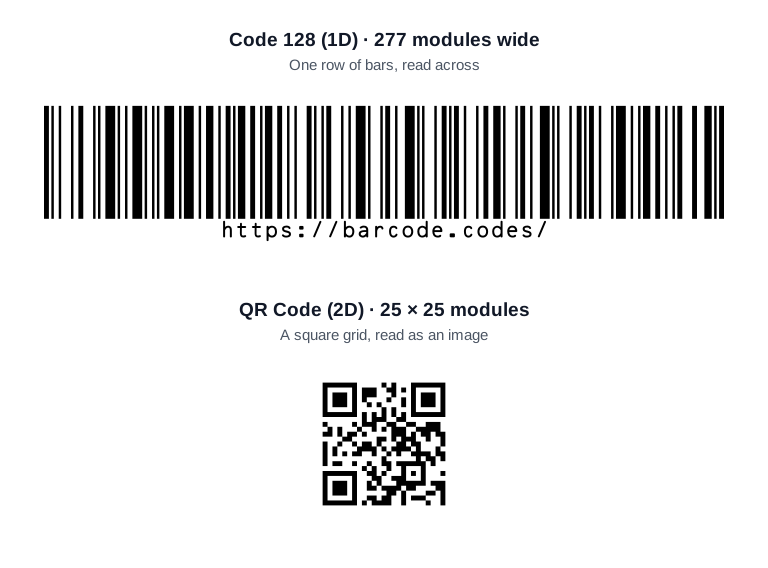 GuideQR code vs barcodeA 2D QR code compared with a 1D barcode, and when to use each.
Product Numbers and Retail Barcodes
These guides explain the number under a product's barcode: what its digits mean, where it comes from and how cartons get their own.
UPC and GTIN
- GuideWhat is a UPC code?The 12 digits, the check digit, UPC-A and UPC-E, and how to get one.
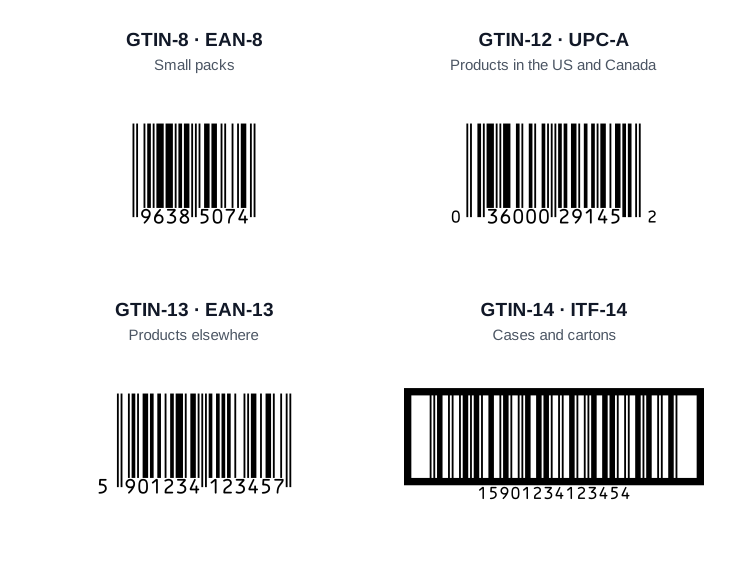 GuideWhat is a GTIN?GTIN-8, -12, -13 and -14, how to read one and how its check digit works.
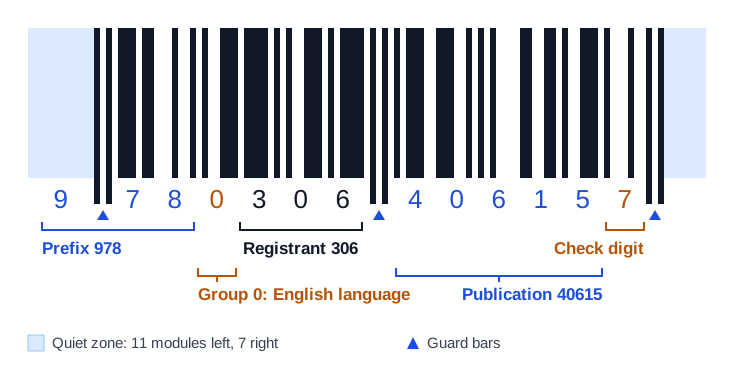 GuideWhat is an ISBN?The book number, its five parts, and ISBN-10 vs ISBN-13.
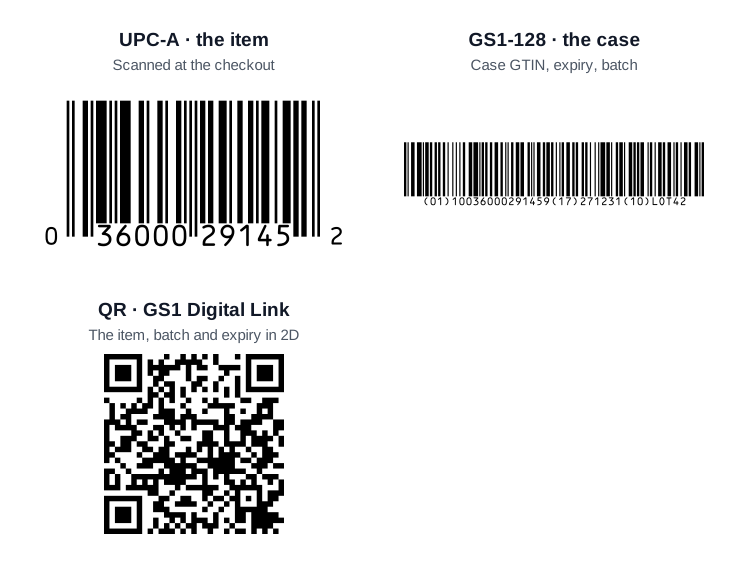 GuideBarcode for food productsThe UPC on the item, GS1-128 on the case and how to get the numbers in the US.
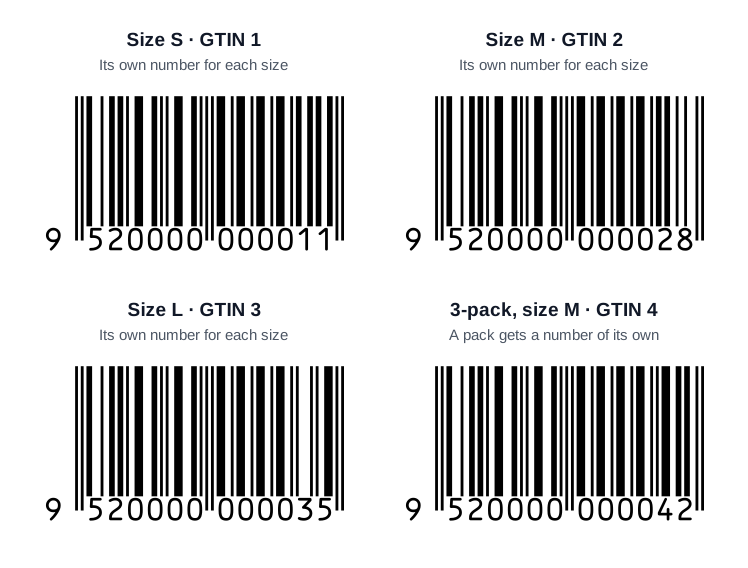 GuideBuy UPC barcodes: GS1 or a reseller?GS1 US prices, reseller numbers and how many barcodes you need.
- GuideBarcode for Amazon productsThe GTIN Amazon needs, GTIN exemptions and FBA labels.
- GuideBuy an ISBNBowker's prices and how many ISBNs your books need.
- GuideBarcode inventory systemCodes, labels, scanning and counts in Excel for a small business.
Country Codes and Cartons
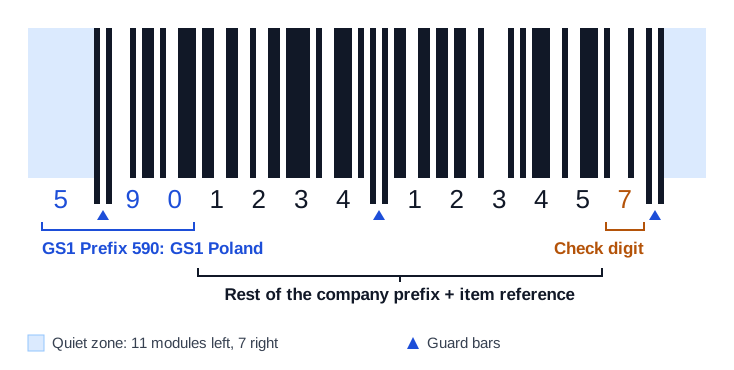 GuideBarcode country codesEvery GS1 Prefix and the office behind it, and why it is not the country of origin.
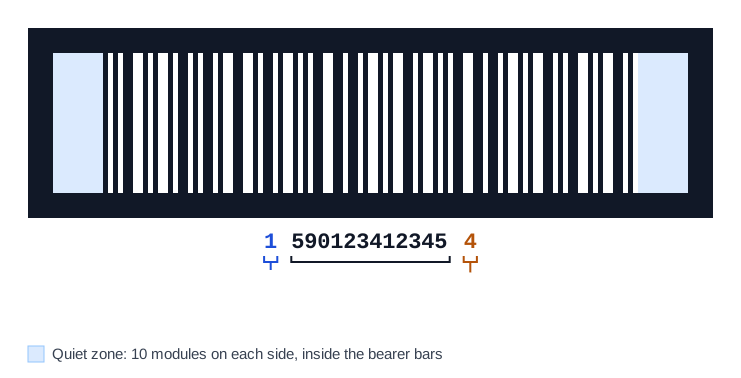 GuideSCC-14 barcodeThe 14-digit carton number, its indicator digit and its ITF-14.
GS1 Barcodes and Standards
These guides explain the GS1 system behind retail and logistics barcodes, from Application Identifiers to the move to 2D barcodes at checkout.
GS1 Barcodes and Data
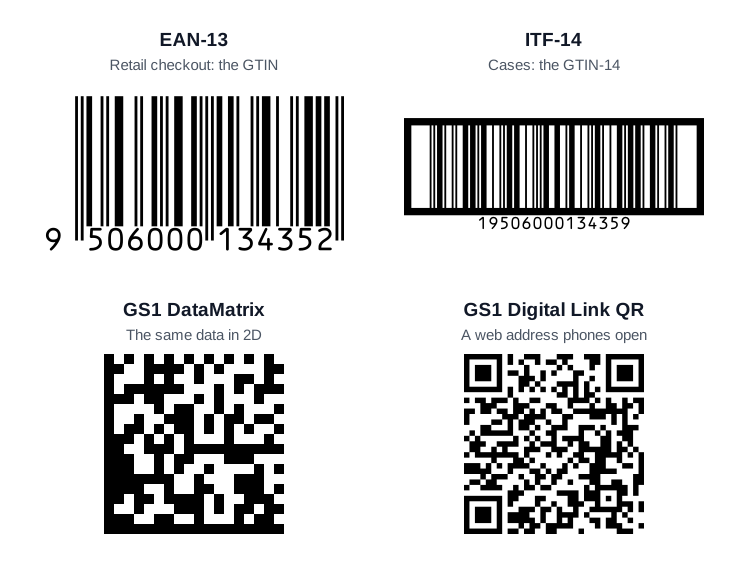 GuideWhat is a GS1 barcode?GS1 barcode types, identification keys and how they carry data.
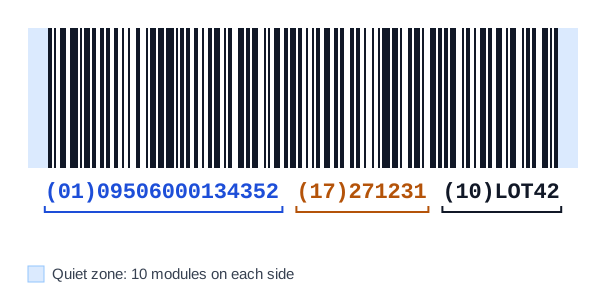 GuideGS1 Application Identifiers listEvery AI with its format and FNC1 rule, with a filter.
2D Barcodes at Checkout
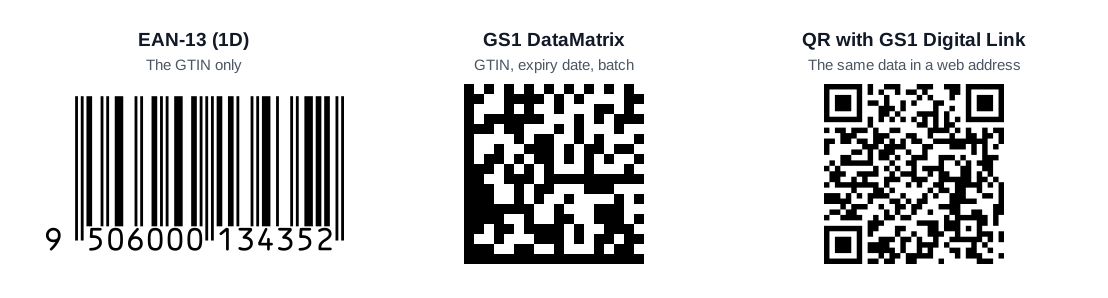 GuideGS1 Sunrise 2027 explainedStores reading 2D barcodes by the end of 2027, and what brands should print.
Frequently Asked Questions
How Do Barcodes Work?
A barcode writes a number or text as bars and spaces of different widths, or as small squares in a 2D code. A scanner measures them with light and turns them back into the number, which the store's system looks up. The guide on how barcodes work explains each step.
Where Should I Start If I Need a Barcode for My Product?
Read what a UPC code is if you sell in the United States or Canada, or what a GTIN is elsewhere. Both explain that the number comes from your GS1 Member Organization; the barcode generators then draw it.
Which Guide Covers Cartons and Shipping Labels?
The SCC-14 guide covers the 14-digit number of a carton and its ITF-14. The GS1 Application Identifiers list covers the data on logistics labels, such as batch numbers, dates and the SSCC.
Are the Barcodes in the Guides Real?
Yes. Every barcode in the diagrams is drawn by the same encoder as the generators, and each one decodes back to its number. The numbers are the examples the guides use in their text.
Can I Print the Example Numbers From the Guides?
Not on goods you sell. The example numbers are for learning and testing; a product needs a number built from your own GS1 Company Prefix.
What Is the Difference Between the Guides and the Tools?
The guides explain how barcode numbers and standards work, each with a small tool to try it. The tools make, read and check barcodes in full, and the tools page lists them all.
Related Pages
- All barcode tools
Every generator, scanner and checker on Barcode.codes.
- How Barcode.codes works
Why the tools are free and run in your browser.